What Portland Taught Me About Designing for Health and Equity

By Public Works Partners

May 7, 2026

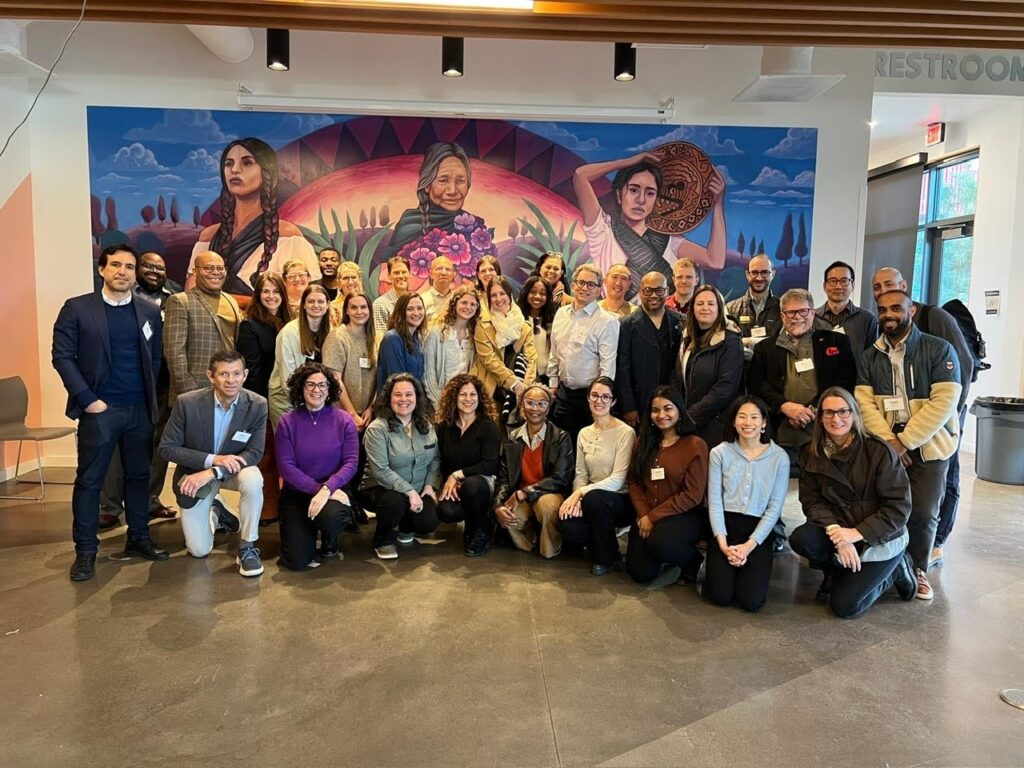
In March, I traveled to Portland, Oregon, for the ULI Health Leaders Network Cohort 9 Introductory Forum—a three-day experience focused on how the built environment shapes health, equity, and well-being. Through site visits, workshops, and conversations with peers across disciplines, the program reinforced the role we play as planners, designers, and developers in shaping how people live and experience place.

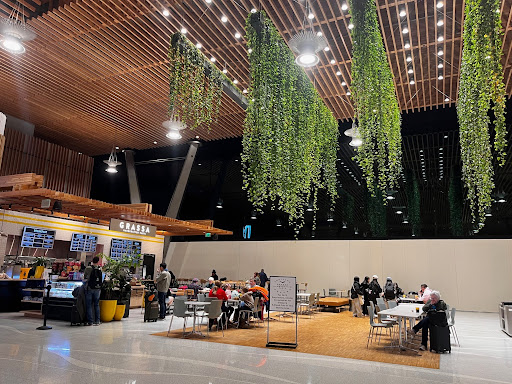
Portland International Airport (PDX), where design, materiality, and place come together to create a calm and distinctly local experience.

My first impression of Portland came before the program even began. After a stressful, nearly missed flight out of John F. Kennedy airport, I arrived at Portland International Airport (PDX)—and immediately felt a sense of calm. It was one of the most beautiful and peaceful airports I’ve experienced. The use of mass timber, natural light, and the connection to the surrounding landscape created a space that felt grounded and distinctly local. I was especially struck by the intention behind the design—everything from locally sourced materials to the idea that the airport could also serve as a gathering place for the community.

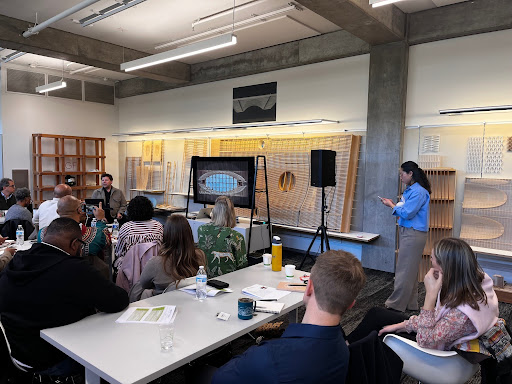
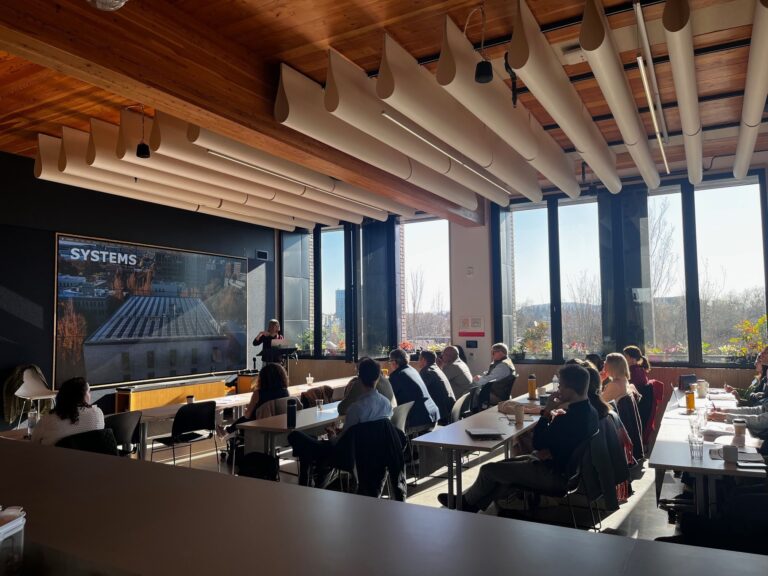
Christian Schoewe, Principal, ZGF, presenting on the new PDX and the Power of Place.

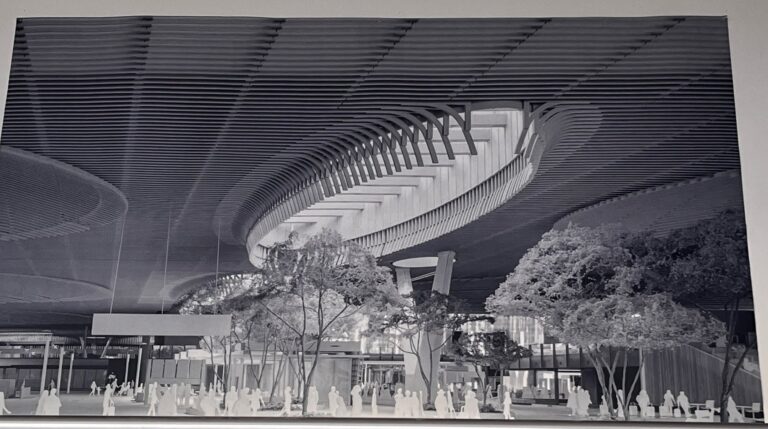
The next day, we visited ZGF Architects, the lead firm behind PDX, where we learned more about the airport’s design and sustainability goals. Seeing the models and design process after having just experienced the space firsthand made it even more impactful. It showed how large-scale infrastructure can reflect place, prioritize user experience, and integrate environmental responsibility.

Exploring the design behind PDX at ZGF Architects.

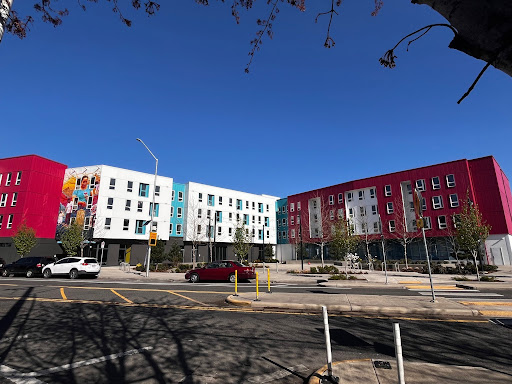
One of the most meaningful parts of the experience was our visit to the Cully neighborhood and the Las Adelitas development. Led by Hacienda Community Development Corporation, Las Adelitas is a 142-unit affordable housing project that brings together housing, services, and community space. What stood out most to me was the process behind it.

The project required coordination across multiple partners: Hacienda CDC as the lead developer, Salazar Architect, LMC Construction, and service partners including Cascadia Behavioral Healthcare and Familias en Acción. It took a wide range of funders and organizations to make the project possible, reflecting the level of investment needed to deliver this type of community-centered development.

Las Adelitas in Portland’s Cully neighborhood—a community-led development rooted in equity, healing, and cultural identity.

The history of the site also shaped the project in a significant way. The land was previously home to a brothel tied to sex trafficking. During the planning process, that history was acknowledged rather than ignored. Women from the community participated in the demolition of the “Sugar Shack,” helping to take down a place that had caused harm. That moment was both symbolic and real—it allowed the community to take part in reclaiming the site.

This level of care, intentionality, and respect for community experience was striking. The development process acknowledged the site’s painful history and gave residents a meaningful role in shaping its transformation. The project reflects a depth of intention that goes beyond delivering housing. The team created real opportunities for the community to shape the future of the site. That approach stayed with me and is something I want to carry forward in my work. The result is a project that provides affordable housing, services, and community space while also reflecting the lived experiences of the people it serves.


We saw similar intentionality across other projects. At the PAE Living Building, we explored how sustainability and health can drive design decisions from the outset. Across these examples, the connection between planning, development, and health outcomes was clear—whether through air quality, access to space, or long-term environmental performance.

The PAE Living Building—pushing the boundaries of sustainability, health, and performance.

Equally impactful were the people. I was inspired by my fellow cohort members, particularly the real estate developers who are deeply mission-driven in their work. They approach development with care, prioritizing health, sustainability, culture, and placemaking. It challenged the idea that development is only about financial return and showed what is possible when values are embedded in the process.

Related Posts

No data was found

Join Newsletter

Stay in the know with news, announcements, and expert insights from Public Works Partners.

Thank you! Please check your email to download the Playbook.